Tuesday, November 14, 2006

Cell

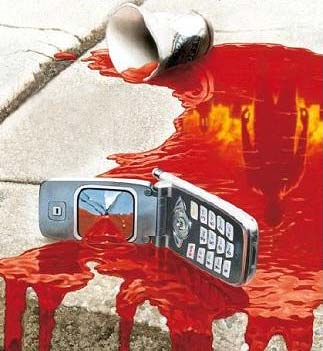
I'm not sure what kind of Horrorthon post this is -- whether it's a review or just a normal post like we do when it's not October -- but I just read Stephen King's Cell and I wanted to talk about it and see if any of you fine gentlemen had read it.

As far as Horrorthon's recent posts, what's especially germaine about Cell is that King openly acknowledges a rather large debt to George A. Romero, whose "Dead" movies are clearly the major influence here. King has a habit of sheepishly admitting his source material by having the characters talk about it (like, say, the group in 'Salem's Lot comparing the English teacher dude to "Van Helsing") and in Cell we have quite a few references to Dawn of the Dead and once nice reference to Spielberg's War of the Worlds, which Cell also resembles quite strongly (in a very good way).

Obviously I have nothing but good things to say about Spielberg's brilliant and terrifying ode to H. G. Wells, which seems to become more of a masterpiece every time I watch it or think about it. (I recommend the essay in The New York Review of Books on Spielberg; I'll find the link later, if I feel like it.) But I want to also add that I just watched Night of the Living Dead (which I'd seen, long ago, a couple of times) and then Dawn of the Dead, which is stunning, brilliant, unique, amazing. I had never seen if before and I'm just astonished at how good it is, and the wonderful way it incorporates all the best elements of 1970s cinema. It's so good that I have to re-orient my thinking about horror fiction and horror movies in general, and, of course, that's where Cell comes in, because if anyone's going to use George A. Romero to re-orient their thinking about horror fiction, why not have it be Stephen King?

Spielberg, King, Romero, H.G. Wells: these authors and many others are all dancing around a central idea which is clearly a vital armature of horror: that which has been called "apocalyptic fiction" or "dystopian fiction" (although the first term is more accurate: "dystopian" sci-fi tends to drift in the direction of, "Okay, it's after a big nuclear war" etc. etc. and we all immediately fall asleep because the only remaining cultural value of that train of thought might be Charlton Heston kneeling in the sand, bellowing).

I have an essay by J. G. Ballard (British sci-fi author; wrote the semiautobiographical Empire of the Sun) (more Spielberg) about apocalyptic fiction, wherein he presents an essentially Freudian or Jungian analysis about dreams and destruction and the point at which the infant learns to tell the difference between itself and the rest of the universe: Ballard argues that sci-fi writers blow up the Earth or whatever because they tap into an impulse that precedes this development -- a pre-Coopernican tantrum that brings down cities in flame, if you will. I prefer to think that the point of it all isn't tantrums but adult people; the strength of Dawn of the Dead and War of the Worlds (Spielberg or Wells) and The Stand and Cell is the examination of the human soul, pushed past all conventional modes of psychic endurance into a rarefied atmosphere of hyper-intensified emotion and meaning. If it's all gone, then what's left? Characters in apocalyptic fiction are our surrogates or proxies, answering these questions for us so that, when we awaken into reality and look out the window at the un-interrupted, normal fabric of reality, it looks a little different, hopefully in an enlightening way.

There's another appealing level of meaning here in that the protagonist of Cell is an author of graphic novels -- and this isn't just an amusing character detail: it's actually quite vital to the plot.

Anyway, Cell is probably the best King I've read in a long, long time (certainly better than any of his "grumpy old jerks in Maine and the troubled writer who's getting on in years but remembers Vietnam" efforts). I haven't read the last three Dark Tower volumes, although that's really an entirely different brand of vodka (as Danny Ocean would say). It's great to read a King novel in which he's dishing up the blood and gore and violence and fear without apologizing for it or trying to win the Booker Prize again (although he deserved it). It's great to read a King novel that doesn't completely fall apart two thirds of the way through -- one for which he clearly sat down beforehand and figured out what the hell he was trying to do. The beginning of Cell may be a bit rusty, and I wasn't too hopeful going in (especially since I believe almost all of Everything's Eventual to be re-fried garbage) but boy, does he get his mojo working along the way.

Have any of you gentlemen read this book? I'd love to go into more detail about it. (And, by the way, DON'T GIVE AWAY THE ENDING OF DAWN OF THE DEAD because I decided to put off watching the final, undoubtably shocking and incredible 35 minutes of the movie in order to read Cell, which was probably a good idea. You can't double-dip this stuff; it doesn't work.)

I'll leave you with the excellent frontispiece epigraphs from Cell, which are vintage King:

The id will not stand for a delay in gratification. It always feels the tension of the unfulfilled urge.
SIGMUND FREUD

Human aggression is instinctual. Humans have not evolved any ritualized aggression-inhibiting mechanisms to ensure the survival of the species. For this reason man is considered a very dangerous animal.
KONRAD LORENZ

Can you hear me now?
VERIZON

Monday, November 13, 2006

Cigarette Burns

(2005) ***


In concept Showtime’s Masters of Horror is a terrific idea; take 13 of today’s best horror movie directors and give them free reign to direct their own stories for this anthology series. In the first season we get fresh work from people like Tobe Hooper, Don Coscarelli, George Romero, Dario Argento, etc. Masters of Horror is great in concept yet wildly uneven. John Carpenter’s Cigarette Burns is my favorite of the 4 I checked out.

In Cigarette Burns the always-creepy Udo Kier (does this guy ever age?), collector of rare film memorabilia, hires Kirby Sweetman to track down a French film called Le Fin Absolue Du Monde (The Absolute End of the World). This is not just any ordinary film, mind you; Kirby is informed that Le Fin Absolue Du Monde was only shown to an audience one time and with disastrous results. The audience devolved into a mob of violent rage. Apparently the film exerts a strange effect on all those who view it.


As Kirby employs some good old-fashioned private dick work he is initially convinced that the film does not exist. His search for the seemingly mythological film takes him on a dark journey, which includes a cast of increasingly creepy characters. As he gets closer to finding the film he begins to experience visions of the titular cigarette burns (for those who are not nerds, cigarette burns are actual burns in the film which signal the projectionist that a reel change is about to occur. I know this because I was a film projectionist in college. Yep, that’s right, while others spent their Friday nights in a stew of sex and drunkenness, yours truly delighted audiences with such fare as The Rocky Horror Picture Show. I digress). Eventually his strange journey leads to the wife of a deceased collector who possessed the only copy of Le Fin Absolue Du Monde. Apparently, he too succumbed to the film’s deadly power. After handing the film over to Udo, Le Fin Absolue Du Monde is screened once again.

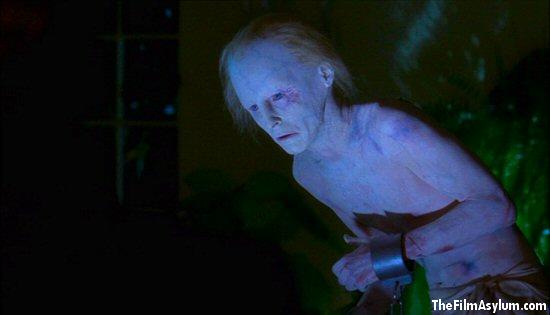
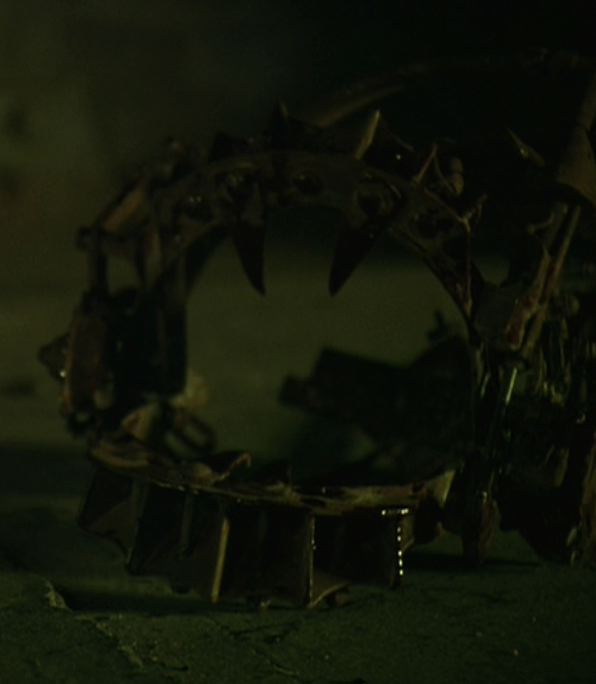
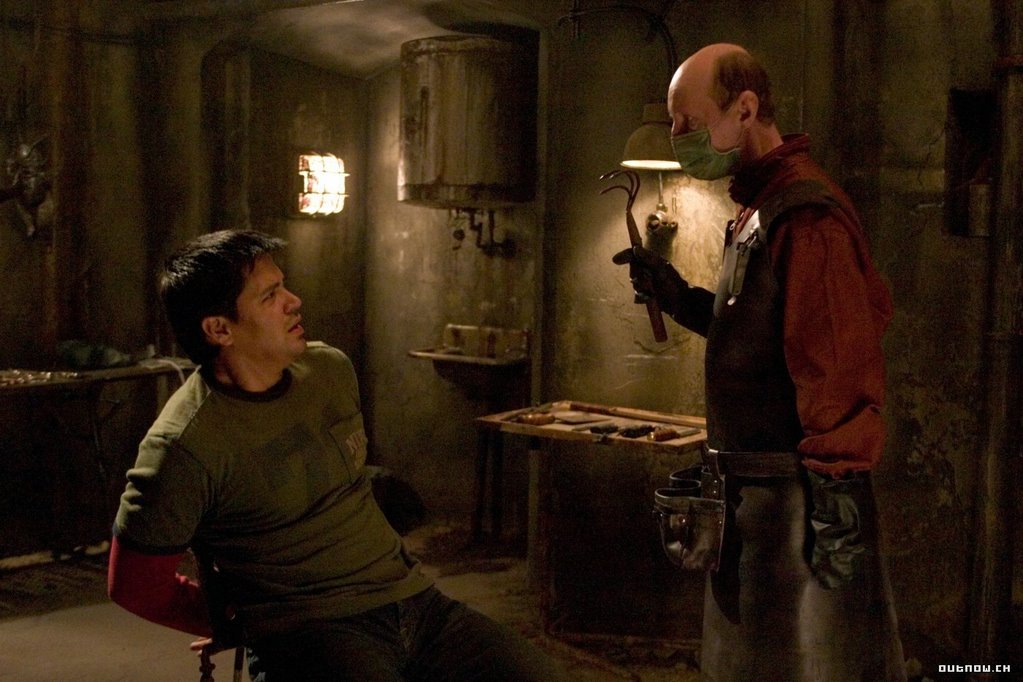
As I was watching this film I kept remarking to myself, “Knowing that the film will kill you if you watch it, it’s unrealistic to believe that anyone would.” Then I thought, “Would I watch it?” to which I responded, “Hell yes!" Then I began to think that I needed a script for Seroquel since I was apparently talking to myself a little too much. Anyway, it’s like that videotape from The Ring, you would all totally watch it. Of course you would. Cigarette Burns is a satisfying little story with a few moments of gore (see above photo). And yes we do get to see some glimpses of the creepy movie. Worth your time.

Friday, November 10, 2006

The Return of Doctor X

(1938) ***


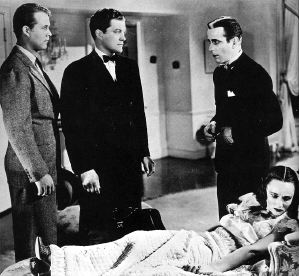
Smarmy journalist Walter Garrett talks his way into an interview with actress Angela Merrova. Stumbling into her hotel room he is surprised to discover that she has been brutally murdered. Rather than immediately calling the police he phones the scoop in to his newspaper, because that’s the kind of guy he is. Eventually he does call the police, but when they arrive there is no body to be found. Unfettered by this small detail he has the story printed anyway. When Angela shows up at his newspaper the next day threatening to sue for reporting her death, Walter is promptly fired. Walter can’t help but notice that Angela is as pale as Casper the Friendly Ghost and that she wears a long black veil; just what the hell is going on here? Pissed off about his termination, he sets out to clear his good (?) name. His investigation leads to a series of murders where all the victims share the same rare blood type and appear to be drained of all their blood.

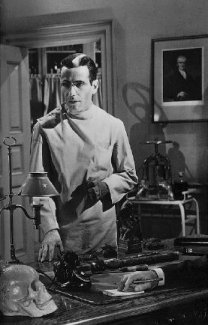
Ultimately his (self-financed?) investigation leads to a creepy, mad blood doctor and to the uber-creepy Dr. Maurice Xavier (Humphrey Bogart slumming!), a man who had been executed years earlier for conducting Frankenstein-like experiments on children, which led to their deaths. Unbeknownst to Walter, Dr. X, like any vampire worth his spit, needs fresh blood to survive (having to match blood type is new vampire twist for this weary viewer).

Eventually Dr. X abducts Walter’s heroine friend because she possesses his favorite blood type and damn if he isn’t thirsty. He brings her to his remote New Jersey hideout, where we find plenty of Frankenstein equipment necessary for the blood transfusion. You know the kind of equipment I mean, all full of lights, whirling dials, loud noise, and lightening. As the tension gets ratcheted up, the film suddenly ends with a mundane shootout with the police.

Bearing no relationship to its predecessor Dr. X., The Return of Doctor X was a mildly fun diversion that was obviously attempting to cash in on thematically far-superior horror films that were characteristic of the era. We get the mad scientist committing crimes against humanity, the wisecracking reporter, the snarky heroine, and a hell-of-a-lot of loud, mad-scientist equipment. According to my research Bogart was forced to take this role as punishment for insulting the head of the studio at the time. Bogart’s appearance would be the impetus to check this film out, as he’s playing way against type. Also his hair resembles a skunk, which I suppose makes him appear more “mad” or perhaps just unfashionable.

Quote from Bogart on starring in this film,

"This is one of the pictures that made me march in to Jack Warner and ask for more money again. You can't believe what this one was like. I had a part that somebody like Bela Lugosi or Boris Karloff should have played. I was this doctor, brought back to life, and the only thing that nourished this poor bastard was blood. If it had been Jack Warner's blood, or Harry's, or Pop's, maybe I wouldn't have minded as much. The trouble was, they were drinking mine and I was making this stinking movie."

Wednesday, November 08, 2006

Saw, Saw II and Saw III

I didn't plan it this way, it just sorta happened. I figured my roundup of Mad Hillbilly movies had enough in common with the current Torture/Gornography trend that the Saw flicks needed to be on my lineup. But I put off seeing the first two, and put it off and put it off until my quest took shape before me: Saw Sunday. I finished Halloween weekend with all the Saw movies and some pumpkin carving, which I like to think is about as in the Halloween spirit as you can get.

SAW

(2004) ***

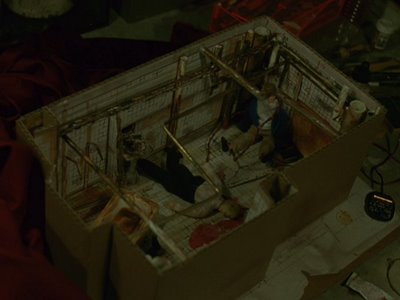
Saw starts with a man waking up submerged in a bathtub. He watches some luminous blue object float past his face before he understandably freaks and starts thrashing around, pulling the plug chain wrapped around his leg and draining the tub as he clambers out. When the other voice in the dark turns the lights on, the scene is set. Two men, chained by their ankles to opposite ends of the room, a bloody corpse face down on the floor between them. As the plot progresses, little clues are discovered: the instructional cassette from Jigsaw, a note hidden in a wallet, items hidden behind an "X" scrawled in luminous paint. The deal is Lawrence (played by puffy-looking Cary Elwes) has to kill Adam by 6 on the clock, or Lawrence's family will be killed. At any point either man may choose to cut himself loose by sawing through his own ankle.

From there we get the rest of the Jigsaw story, told in flashbacks. Seems he likes to stick people in dire situations so they can find if they are capable of the hideous acts of will required to escape. Soooort of....

I have a number of good and bad things to say about these movies and I'm just gonna hit them as they come. First of all, Jigsaw's a jerk! This may seem obvious, but I'm a bit put off by how much the Saw movies present him as being, well... right. Unlike most serial killers whose capers we watch, he has a philosophy and he's a talker. His traps are meant as darker, scarier versions of that scene in Fight Club where Tyler Durden threatens the 7-11 guy with death if he doesn't go fulfill his dream to be a veteranarian -- so it seems like he's helping people. And the traps are very clever, and Jigsaw himself is very clever, so he always manages to stay ahead of the cops. And while the scenarios are intriguing and his philosophizing well-written enough, his tactical success seems to imply that his points about life are also correct, and I really resent that bit of posturing.
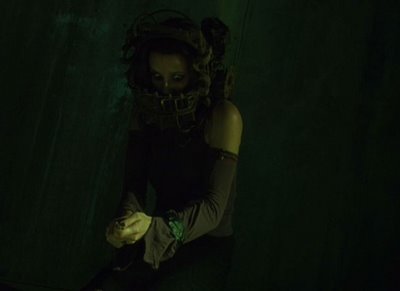

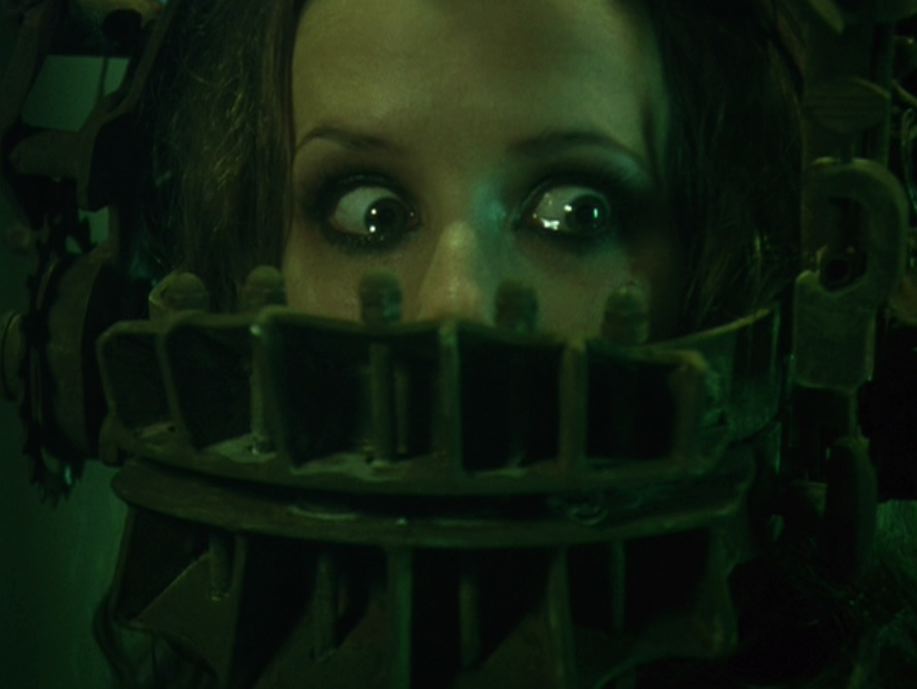
Because he's wildly inconsistent! If he's testing people's survival instincts, he should standardize his methods. Sawing off one's own foot is a good one, and so is Amanda's test. She must have the will to cut the key from a living man's stomach or else the machine locked to her head will rip her jaw off. But the guy trapped in the razor wire maze, what does that prove? Will isn't enough with that one; what if he's just not good at mazes? What about Amanda's guy with the key in his stomach, what was his test? And take Adam, who woke up in the bathtub: we find out at the end that the luminous object that went down the drain when he woke up was the key to his ankle lock. That's not a life lesson, that's just a "nyaahh!" For that reason I like to call Jigsaw the "Why are you hitting yourself?" killer. He's a bully and a jerk.

Nevertheless, I must touch on some of the good things. For one, the infernal devices are darkly wonderful. The jaw-ripper not only performs its task well, it has a sexy-scary "heavy industry" aesthetic about it that typifies the production design of the whole series. Gorgeous stuff. Running with the Squalor vibe that Se7en made so popular is only one way Saw learns a lesson from Fincher's movie. I remember that some people reacted to Se7en and The Cell with a similar critique: that the killings were a little too sick to enjoy. The Saw series just says fuck it, let's just have a carnival sideshow of people waking up in lurid nightmare situations, usually seconds away from having to mutilate themselves. Sick? Great! Do I tune in? Yes, yes I do. In the growing Torture subgenre we're investigating, Saw stands out not for its deftness or smarts, but for its unflinching will to play out the sick scenarios of a fly-torturing fourteen-year-old.

Unfortunately, with a teenager's sloppiness. For a movie that touts "the rules" more than once, it's a bit dicey on certain basic ones. For one thing, there's a flashback in which Lawrence has a surveillance photo taken of him in a dark parking garage, but he happens not to see the flash because he's rubbing his eyes at the moment. Wait a second, the flash? What kind of snoop uses a flash? For another thing, Lawrence advises Adam to use his shirt to reach the tape recorder, yet never thinks to do the same thing when he's howlingly desperate to reach the cell phone. For yet another thing, you can't make a saw blade that will cut through a leg but not cut through a chain. Well, you could if you custom made one from aluminum, and that is something Jigsaw could do, but what happens in the movie is everyone who tries gives up after, like, ten seconds. Guys, calm down! That's not a lightsaber! If it's a standard steel sawblade, it could cut through that chain, given time. Give it a shot, you're not going anywhwere. If Cary Elwes weren't trying so hard to channel Nick Nolte after he got chunky, he might have thought of that.

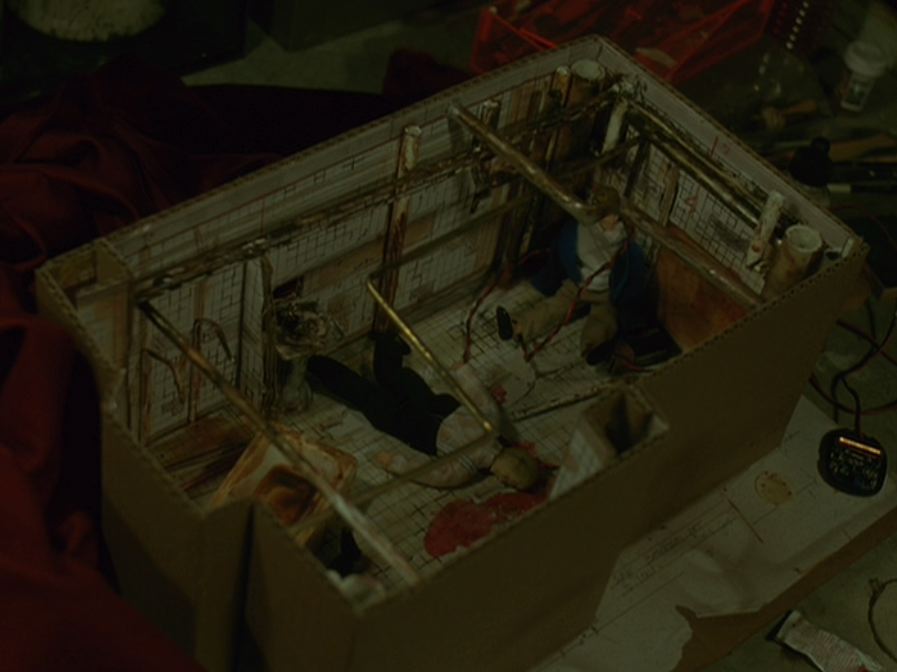
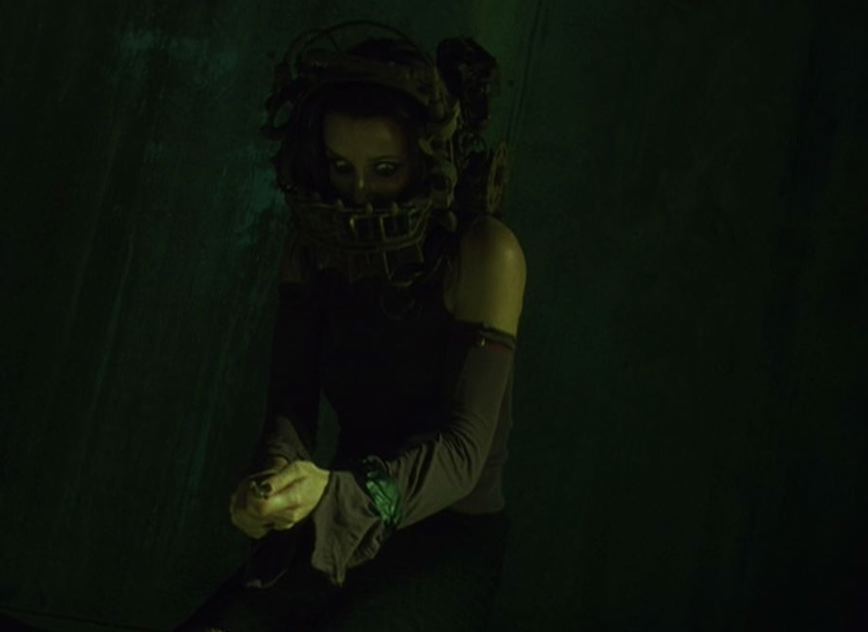
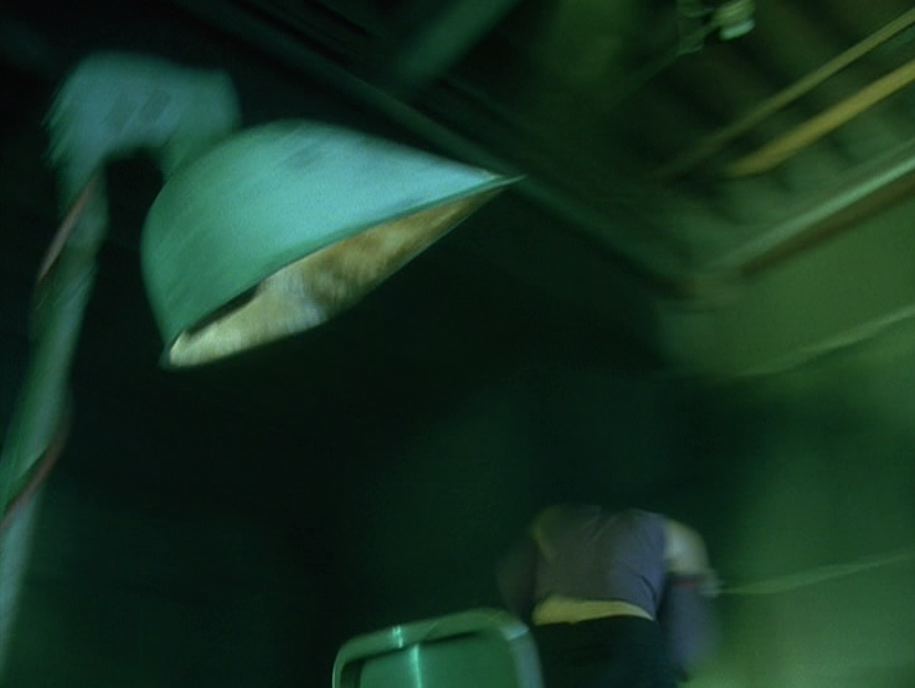
But that's not even the most annoying thing. The most annoying thing is Saw's penchant for rapid, crazy montages to whip up the mood. This is true for the whole series, but it starts right here in the first one. Amanda sees her instructional videotape, the clock starts ticking, and suddenly we're treated to a nutty, sped-up circling around her while she flails around and the music cranks it up to eleven. Here's a few sample frames:

And pretty much any time we get some dire situation presented to us, we get at least twenty seconds of sharp booms and strobed images, usually super-saturated shots of the victim from a couple of different angles and some close-ups of some damn thing and a bunch of pop-flashed white frames. It's not the Blair Witch shaky cam, nor the bad narrative editing of Batman Forever, it's something else. And you guys know me, I'm a child of the Sesame Street generation, I can handle the rapid data input -- but this stuff's just crap. It's like an irritating song from the early days of sampling, going "Saw! Sa-sa-sa-Saw! It's crazy! Saw! You just c-c-can't believe it! Boom! Sa-Saw! She's got a thing on her head! Ba-boom! We're going around her! WoowoOWOWoooWOWoow! Saw!" The movie just can't get enough of itself.

Needless to say, I was tired of this rather early in the game, and I got HUGE dose of it by the end of the day. They take this technique and don't just make a meal of it, they make a friggin' multi-course banquet of it like that fat guy in Meaning of Life.


I'd seen this movie once before, and I found it pretty tedious on a second viewing. It's definitely my least favorite of the series. But I did give it three stars, because despite my griping it's fairly worthy of its popularity. I like Shawnee Smith, the actress who plays Amanda, because she was the female lead in the remake of The Blob, which is one of my favorite movies in the "nobody likes but me" category. Her wide eyes make for a perfect victim.

When Saw ends it provides us with an anticlimactic reveal made up of rapid flashback frames (Boom! Sa-Saw! This part! Then this part! Sa-sa-Saw! Remember this! Pow!) that show us the killer is...some guy so far in the background it may as well have been one of the lamps. Okaaay...

SAW II

(2005) ****

I recommend reading Summerisle's review of Saw II. I wound up agreeing with him on practically everything.

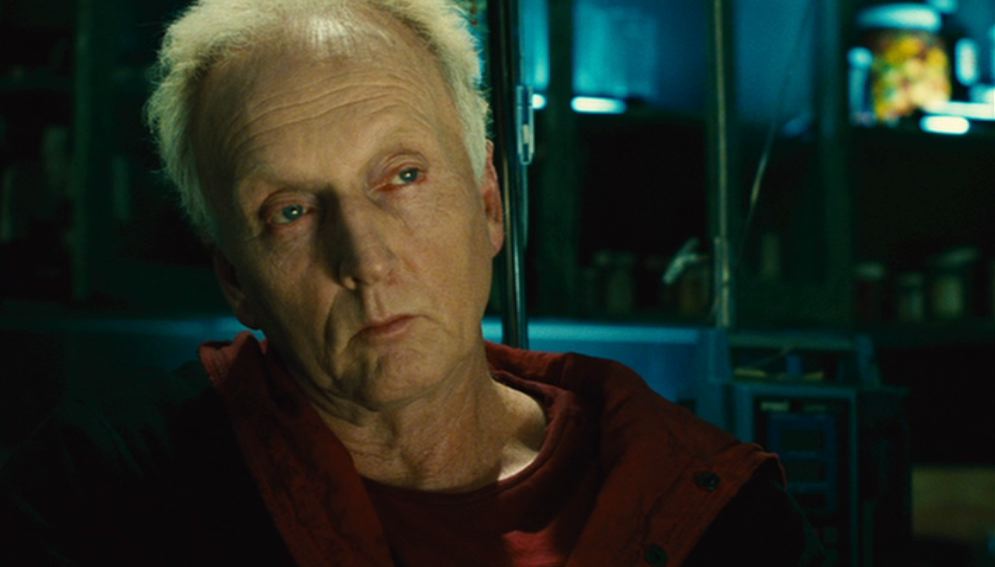
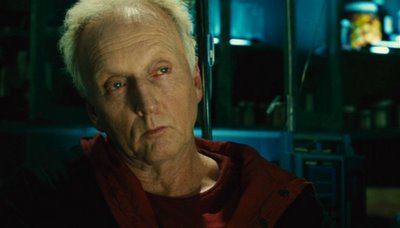
Right away Saw II is more promising than its predecessor; Jigsaw is front and center, unmasked and without any cronies fronting for him. It's strange that they had such a talented actor in that role and chose to show almost nothing of him in the first flick, but who cares, he's here now. His pale, sickly face and bored aura of self-assurance provide the perfect attitude as he tells his backstory to Detective Donnie Wahlberg. Mapping the evolution of his mania, spurred by news of his own terminal illness, fills a wide gap left by the first movie. Meanwhile, across the room the other cops watch the drama unfolding on the monitors.

What they're seeing is an undisclosed location where Detective Donnie's son and seven strangers are trapped. When the movie takes us there, we see a more complicated version of the Saw scenario unfolding: Everyone is suffering the effects of a deadly nerve agent, and syringes with the antidote are hidden around the house, along with finger-wagging cassette tapes and a variety of traps. The opening scene provided us with the nasty Death Mask test, the booby traps faced by the group are of a looser variety, not really involving tests of will as much as keeping your head and listening to the clues. Which almost nobody does. As it turns out, Jigsaw's victims do worse in groups as they do individually. Certain puzzles laid out at the start are never followed through as traps are sprung and people start turning on each other. The mounting chaos at the house is countered by Jigsaw's sly control back at his captured hideout, where events play out according to his agenda even when it the reverse looks true. The answer's there if they'd just listen to him, closely.

Not that this flick avoids all the pitfalls. Jigsaw's moral posturing seems fairly weak considering he's using several of his subjects as pawns, and there's still a lot of unjustified "nyahh!" to his shenanigans. We're still assaulted with a ton of self-agrandizing montage nonsense, especially when the action winds up back in the room from the first movie. Suddenly the strobed editing is all over us like an excited dog: "We're here! The room from Saw! Sa-sa-Saw! Boom! There's a body! And look at that! Ba-boom! Remember that?! Woo! Saw!"

And you don't often see victims that traipse so agreeably into traps. I know you can't have a horror movie without victims, but how many spreading pools of blood do you need to see before you start to, you know, learn?.
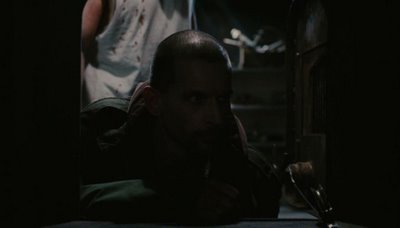

I wonder if this wire and pulley attached to the door is worth investigating? Naaah, I'll just climb in.
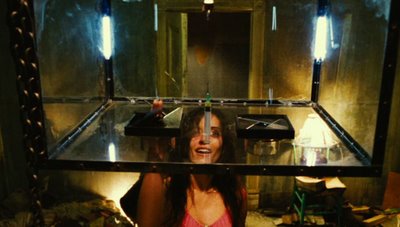


Boy, it sure was sucking before, but the antidote in this box will make everything okay. Yay!


Watching this at home, Jigsaw says "Wow, even the monkey didn't fall for that one."


By day's end I would name Saw II as the best of the batch. Vicious in a special way, and smarter than its brothers.

SAW III


(2006) ***1/2

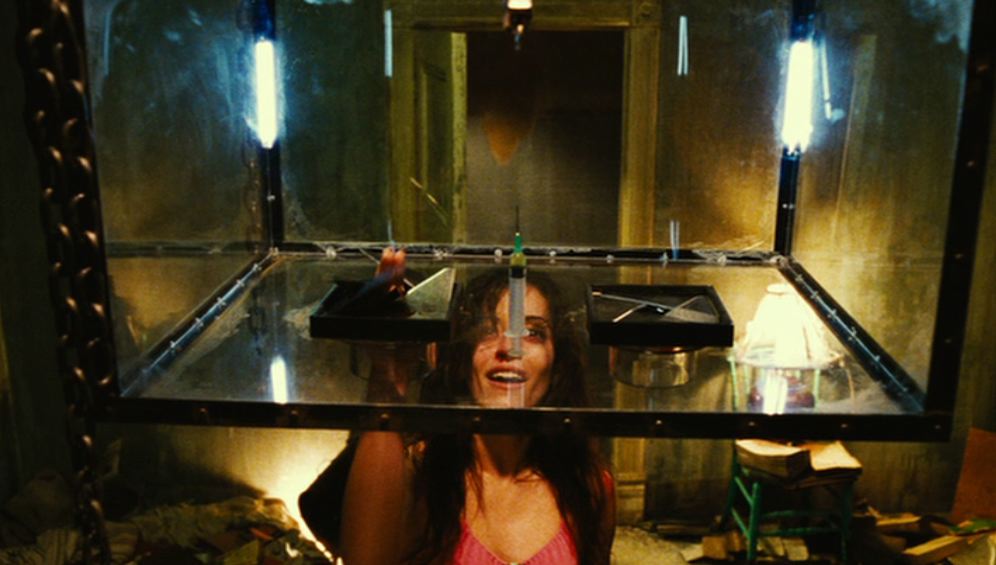
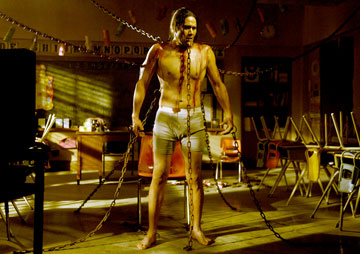
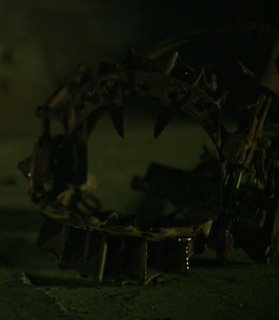
Our story opens with another nasty-ass "test." This guy here is charged with ripping all those rings out his body and leaving the room before a bomb goes off. It's not all that clear from the picture, but he's got a ring piercing his whole lower jaw. I don't know about you, but faced with that situation I would sit back down and pick up a magazine. I have no interest going through life without a lower jaw. I'm just saying.

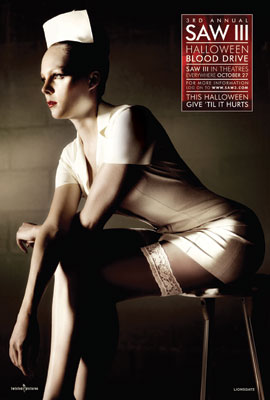
See JPX's review of Saw III for further insight and the cool pictures I would've posted if he hadn't beat me to it. The best thing I found was a bunch of these posters for a Saw III tie-in blood drive. Hellooo nurse!
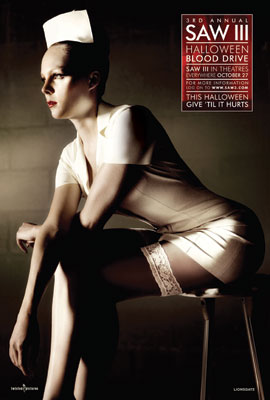

Not to taunt you, JPX, but this was an excellent movie to see an hour after Saw II since it picks up immediately after, where Detective Donnie applies a new solution to an earlier problem in the series. Way to go, Donnie.

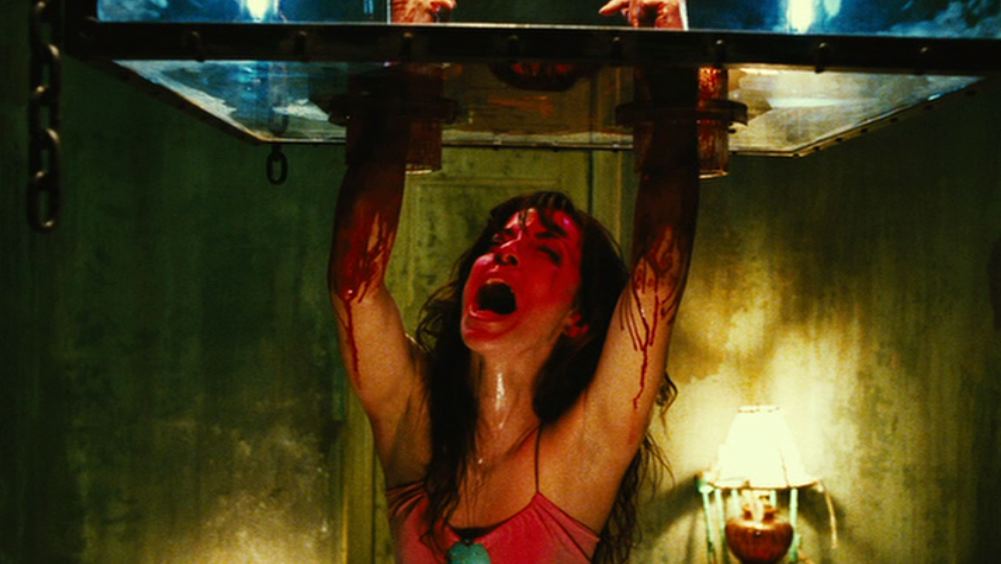
Well, the terminal illness that got this saw spinning has really jacked Jigsaw up, and he's going out with a big passion play. In one room is the surgeon with the gun collar, tasked with complicated medical procedures in hardware-store conditions and a five barrel "or else" aimed at her head. Meanwhile, a man dispirited by his son's death by drunk driver proceeds through a series of tests about forgiveness, as each successive victim had a hand in the drunk driver's light sentence. I liked that; for the first time since Amanda's trial we see puzzles in which the price is the suffering of others and not one's willingness to self-mutilate. Whew! Actually, cancel that whew, these scenarios are horrible. Added to Jigsaw's vast skill at machinery, engineering and chemisty is a new arrow in the arsenal: an endless supply of rotting pigs. And the Dad's learning curve ain't that steep -- his tendency is to forgive but not quiiiite fast enough.

The other main element at play is Jigsaw's successor, none other than Amanda from that embarrassing jaw-ripping incident. I'd love to say Shawnee Smith really goes the distance when she's handed a big role, but she doesn't quite pull it off. There's a lot she can do, but she doesn't really do menacing all that well. But she looks good trying.

Saw III has got the same pros and cons as the other two. On the pro side, you have the enjoyment of artfully engineered human misery and teeth-gritting gore. Watching a man's skull cut open with Black and Decker tools might make you ask "is this scene really horror cinema, exactly?" but you can't deny the way your nose wrinkles and your fingers curl. Jigsaw remains a compelling character, even if his rulebook is a bit dodgy, and actor Tobin Bell is as creepy as ever. His resignation in the face of death lends him an almost kindly demeanor, but beneath it is undying menace.

On the con side, there's the ego thing again. They still can't get enough of their own franchise. We see flashbacks to them setting up the room from Saw #1, including details like painting the luminous X on the wall. Oh man, like I care! And the big "reveal" montage (Boom! etc. for like the thirtieth time that day) does a thing that is a HUGE pet peeve of mine. When Jigsaw's schemes are laid bare, the flashback rundown comes all the way up to stuff that happened two minutes ago. Argh! Instant flashbacks drive me crazy. They're so damn insulting.

Well, that's the Saw movies folks. Popular and a little snobby about it, but notably clever and sincerely mean. Mean like a rusty nail.
The Hills Have Eyes


(1977) ***

"Baby's fat. You fat. Fat and juicy." – the line I remember most from this movie.

Somewhere along the line I got it in my head that the original Hills Have Eyes was not worth the time. This was a gross error in judgment and thankfully no one was hurt by my negligence. While it does not measure up to the overachieving remake, it’s still entertaining in its own tactless 70's way. A family traveling to California by trailer ignores the warning of a haggard old gas station attendant about going down that road and find themselves hunted by deformed cannibals in the hills of New Mexico. After one of their dogs is found gutted and the father is burned at the stake, the remaining members fight for their lives in the – hang on a sec...

“Baby’s fat. You fat. Fat and juicy.”

Now that’s just a terrible thing to say to someone for many reasons. These seven words manage to insult the baby, the mother for raising an overweight baby, and the mother herself. And the implication that the hairy man intends to eat both of them is just plain rude. I’ve been trying to imagine any circumstances in which it would be acceptable to say these words and I’ve got nothing.

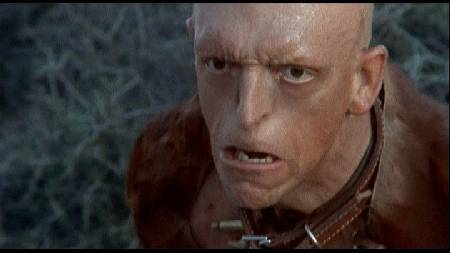
In any case, THHE’77 is chock full of action and surprises. It was refreshing to watch a movie where the upper hand fluctuates between the victims and hunters, unlike say, TCM:TB. The only major downfall is the buffoonish acting by the clan of cannibals. The hairy one barks all of his lines like Wolfman Jack on a coke binge while the bald one simply hams it up too much. Overall it’s still worthy of some attention.

The Last Woman on Earth

(1960) ***


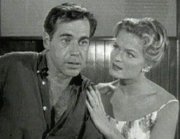
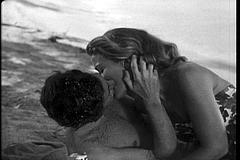
While vacationing in Puerto Rico, shady businessman Harold, his sexy wife Evelyn, and their nerdy Lawyer friend Martin rent a boat for an afternoon of scuba diving. Despite the appearance of frivolity, there is tension among the trio. Martin is annoyed at Harold for his unscrupulous business practices, Evelyn is annoyed at Harold because he barely pays attention to her, and there appears to be sexual tension between Evelyn and Martin. Here’s a shot of Evelyn and her jerky husband.

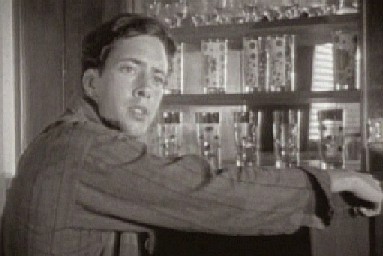
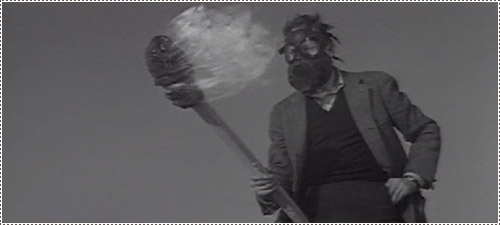
After scuba diving for less than an hour, the trio surface and quickly realize that something terrible has happened to the world. As they remove their breathing apparatuses they find themselves gasping for air. Apparently while they were having fun swimming in old stock footage, the Earth’s oxygen briefly disappeared. Placing their aspirators back in their mouths they travel back to the mainland to explore. To their horror they begin to stumble across dead humans and animals. When the oxygen supply in their scuba tanks runs out they are relieved to find that the Earth’s lower atmosphere has returned back to normal. Relief quickly turns to despair, however, as they conclude that they are the last humans on Earth (I guess nobody else was scuba diving that day). Here’s a picture of Martin, isn’t he a nerd? He’s nerdy like Herbert West, all full of attitude.

Not to be confused with the superb Last Man On Earth, the first twenty minutes of The Last Woman on Earth makes for interesting science fiction/horror reminiscent of The Village of the Damned. However the majority of the film concerns a love triangle between the principals. Rather than addressing their dire predicament, Harold is more concerned about Evelyn’s obvious attraction to Martin. Of course, as the photo to the left shows, THIS happens. Once Evelyn decides that she would rather be with Martin,

the real conflict begins. As the two escape from bully Harold, Harold gives chase and a bloody finale ensues. While watching this film I kept rolling my eyes, I mean, is this what would really happen if two men and a hot chick were the only people left on Earth? Would the guys really be fighting over who gets to have sex with the chick rather than worrying about the rest of their lives on a human-less planet? Actually that probably is what would happen.

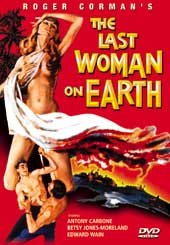
I like this poster for The Last Woman on Earth. Look how scantily clad the woman is (this is never the case in the film). Look how ripped the two men are as they fight to the death (believe me, neither is this ripped and there is no fight that is this dramatic). The Last Woman on Earth is typical Roger Corman fare, low budget but a lot of silly fun.

Tuesday, November 07, 2006

Phenomena


(1985) **1/2

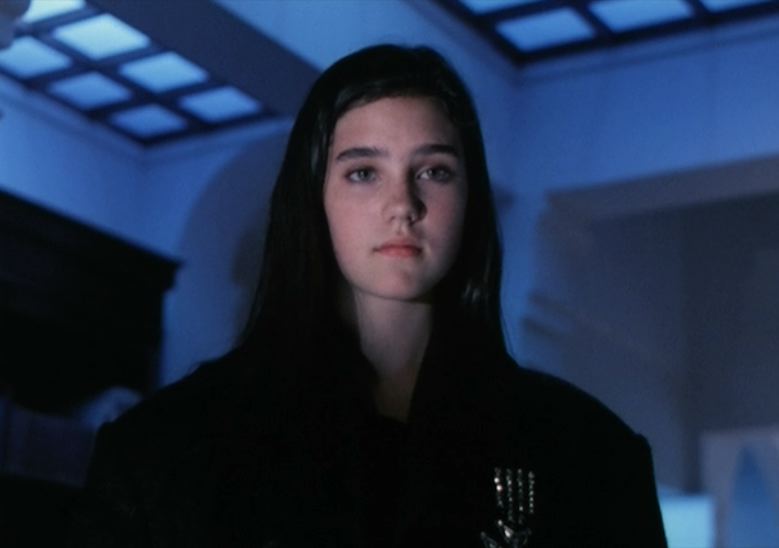
In this Dario Argento flick, Jennifer Connelly plays a young girl whose mysterious ability to command insects might be the key to finding the serial killer stalking a Swiss boarding school for girls. This is actually Connelly’s first movie role, and fans of her “resigned ennui” acting style (see JPX’s Dark Water review) will thrill to see her early steps in the mastery of her craft. Here’s one now:


Unbelievable that it took 16 more years for her to get an Oscar, isn’t it? Now watch this!


She looked over there! Isn't that great?

Okay, okay, that’s an easy dig. I actually like Jennifer Connelly. It's just that, like many Italian movies, Phenomena seems like Argento was directing with one hand and using the other to have phone sex with Sophia Loren while smoking a cigarette and eating a small plate of cheeses. Some stiffness on the part of the lead makes sense. So does the plot wandering around at certain points, but at least it’s a diverting trip. After Jennifer sleepwalks out of her dorm room, the school’s arch headmistress Frau Bruckner (horses neigh) insists on an EEG to investigate this flagrant violation of normalcy. When the girl protests, a lab-coated old shrink who’s inexplicably on the school staff suggests that her sleepwalking might be an emergent multiple personality. Where is this plotline going, you ask? Nowhere! There are vague suggestions that Jennifer be institutionalized because the Swiss bitch keeps saying “but it’s not normal!”, but the idea is sidelined so we can chase serial killers and hang out at Donald Pleasance’s house. My little sister used to sleepwalk; I’ll have to ask her about that new personality thing.

Pleasance plays an entomologist who lives nearby, dispensing wisdom from his wheelchair with a questionable Scottish brogue. He befriends the alienated girl and sets her on the detective’s path before he himself gets a visit from the killer. After that it’s down to Inga, his chimpanzee nurse – fortunately, he got one of those full-service helper monkeys whose duties include razor-wielding revenge.

Like many 80’s movies, Phenomena boasts a soundtrack that’s far more in your face than it needs to be, featuring tunes by Motorhead, Iron Maiden and good old horror movie regulars Goblin. My favorite musical choice was the pulse-pounding dance music playing while Jennifer slooowly follows a firefly into the night. The same mismatch happens again later, while she’s trying to get her hands on a phone that’s out of reach; it’s a suspenseful scene, but it’s not action packed. Nevertheless, the music is going “DUNtaDUNtaDUNtaDUNta” and the guitar riffs haven’t even dropped in yet.

Phenomena is a bit slow and silly in parts, but it’s quite watchable. Although after viewing this and Argento’s Cat O’ Nine Tails this year, I’ve realized I’ll need to pursue his work more aggressively in future horrorthons. Because I know he’s got work out there that feels more like – and forgive me for saying this – actual movies.

Race With the Devil

(1975) ****


Best pals Roger (Peter Fonda) and Frank (Warren Oates) pack up their wives for the road trip of a lifetime. Frank has just purchased a brand-spanking-new “$36,000” motor home and he’s eager to show it off. Heading out from Dallas with the intention of skiing in Colorado, the gang spends their first night off road in the Texas desert, which turns out to be a colossal mistake. While their wives sleep the boys sit outside, drink, and reminisce. Across the river from their camp they spy some sort of ceremony going on around a bonfire. Initially they are gleeful as some breasts make an appearance, could it be an orgy? You wish! Pulling out their binoculars they are horrified when they witness a satanic cult sacrificing a virgin. When Frank’s wife yells for them to come to bed (why would she care?), the cult spies them and gives chase. The rest of the film involves the gang’s desperate attempt to outrun this satanic cult in their motor home in order to gain safety. What they soon learn is exactly how far this cult has permeated the neighboring communities. Nobody, cops, store clerks, locals, can be trusted and everyone appears menacing.

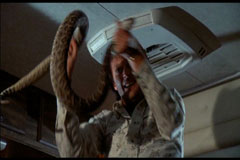
Oh what b-movie fun! For years I’ve only been able to catch Race With the Devil full-screen on muddy VHS. Imagine my delight when this was given the DVD treatment 2 years ago. I first discovered this film in college. Picture it, it’s late Friday night and everyone else is at a frat party drinking and getting laid. Having never figured out how to properly penetrate that mysterious world I sat in my shoebox dorm room with my tiny black and white TV. As I spun the dial back and forth hoping for some television greatness (I was tired of playing Tetris) I stumbled upon Race With the Devil. Five minutes in I was hooked. What’s not to like here? Peter Fonda and Warren Oates slumming in a b-movie, with a group of angry Satanists throw in to boot, woo-hoo! The film’s simple conceit is what makes it so much fun. All you need to know is that they are being chased for 90 minutes by enraged cult members. The cult members are vicious in their pursuit and do annoying things like destroying Fonda's motorcycles or hiding pesky, deadly snakes in Frank's motor home. The action is ratcheted up when the boys purchase guns at a five and dime and think nothing of unloading buckshot into their nemesis. The surprisingly bleak ending will catch you off guard. Race With the Devil is great fun and one of my faves.
Monday, November 06, 2006

Dawn of the Dead


(2004) *****

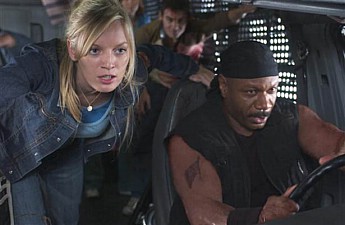
One of the theaters down my street showed this late in October, so Summerisle, I'mnotMarc and I got to see it on the big screen. The Dawn remake is one of those movies it's tough to sound eloquent about because it's just so damn awesome. I mean, just watch the quality build: Our introduction to the world of the movie is Sarah Polley -- rock. When the horror is introduced, it comes right into her bedroom on a sleepy morning, the place that should be safest of all. When she flees to the bathroom with her zombified husband coming after her, the thing she remembers to have in her hand are her car keys. Once outside, the madness beautifully unfolds from her front yard, across the street, down the block and through her neighborhood. Then we get that great super-wide shot of the city, with visible disaster spread near and far. Then Ving Rhames shows up. Score!
The success of this movie is down to a tasty mix of kinetic action and good attention to character. All the charm can be found in the little details: Near-zombified Matt Frewer saying "you want every fucking second," Andy the gun man holding up the smeared bloody sign after he's flipped over, or the reflective slo-mo shots of the three guys who have to wait in the chainlink cage while several manic, flaming corpses are futilely trying to get in and eat them. I imagined at least one of them thought "how is it that I wound up in Hell?"

This movie achieved what the Texas Chainsaw remake missed by only about three feet: to plant its own flag in the sand, to actually re-make something out of the original story. When that shopping mall rises into view, it's like the movie is saying "Eh? Eh? You scope that title? Dawn of the freakin' Dead, bitches!" and it can be that sassy because it's already won us over with the opening. There's one line I keep thinking of that personifies this flick's balls-out sincerity:

Bart (doofus security guard): You know what sucks? Remember that chick from Dairy Queen?
CJ: The fat one?
Bart: Yeah, she was coming over tonight. I would've tapped that shit for sure.
Terry: Bart, dude, everybody's dead, OK? Your mom's dead, your brother's dead, the fat chick at Dairy Queen... dead.
(Bart lies down to sleep, his head framed upside-down on the screen)
Bart: Yeah, that sucks too.

The fact that Bart starts the next day by strapping his gun over his boxer shorts before he puts on his pants just makes it even better.

Dawn '04 definitely owes some cred to 28 Days Later, first for the smart, quality move of making characters the number one priority, and second: fast zombies. I recall a lot of fast/slow zombie debate when this came out, and my conclusion is that I dig both kinds. The fast zombies in Dawn are ferocious, slavering beasts with sickly weird eyes and horrible screeches. As in 28 Days Later, it's terrifyingly likely that they'd gain the upper hand and never lose it.

With Romero's slow zombies, there's a haunting unearthliness to the lurching gait and the hollow, mournful sounds. Romero movies are always so fond of the zombie make-up, which is something I was happy to see carried over into Land of the Dead. With the Dawn remake, you never get a particular artfully decayed zombie like the baseball chick from Land with her cheek chewed off. As a matter of fact, the more the remake progresses, the more the zombies are shot as a wild, blurry menace.

Which is great! Romero's zombies are products of some metaphysical threat; Death itself is broken. Behind the physical threat of the walking dead, there lurks some cold, unseen force from parts unkown. The way slow zombies move communicates that, just as the hyperactive zombies of the remake reflect the more physical threat of that story. There are deaths in the Dawn remake that are not caused by zombie bites, and to Summerisle's delight, those people don't wake up (and I took an elbow jab). Like 28 Days Later, the threat comes in the form of some sort of communicable virus.

You could look at the updated approach as a reflection of the times: fear of biological contamination is a real thing, and so is fear of unchecked rage. "What can men do against such reckless hate?" says Theoden to Aragorn. It's scary stuff, and fast zombies are an excellent face for that fear. Of course, then Romero made Land and shot holes in my little theory, informing us that the worst thing your enemies can do is organize.

Zombies! It's weird, I thought I'd be as burnt out on zombie flicks as I am with Mad Hillbilly flicks, but I'm not. Dawn hits an amazing crescendo with the escape from the mall; the shot of those armored buses in the middle of the raging crowd has the iconic look of some famous b&w photo of a riot at a Rolling Stones concert. I've come to enjoy the inevitable triumph of entropy in these movies, and Dawn's daylight scenes of apocalypse are some of the grimmest, the most total. This is an exemplary zombie movie. It does credit to the original, and even some stuff on its own.

P.S. I know how to sail a boat.

Hostel

(2005) ****1/2


By the time I sat face to face with Hostel, I was already mentally drained by the torture genre at large and contemplated aborting the movie altogether.   Luckily, JPX's glowing review and promise of satisfying revenge gave me the strength to proceed. 

The three main characters are led by their penises through a tour of Europe with an ambitious goal of having sex with as many women as possible.  After even Amsterdam's Red Light District leaves them wanting, they head for Slovakia, the alleged land of beautiful women who universally feel that sex is just great.   This excursion leads them to a hell on earth that only the world's most disturbed sickos could fathom. Though the three pig-headed college boys should in no way be deemed role models, they hardly deserve the inhumane trap that awaits them.  Realistically, no one on earth should be made to endure such horrors, Paris Hilton included.  

The biggest weapon in this film's mighty arsenal is the overwhelming feeling of anxiety that the separation from familiar territory adds.  But it does make me curious as to how Slovakians might feel about being portrayed as organized barbarians.   I would suspect a tad misunderstood.  My brief online search of Slovakian tourism discussed historic towns, national parks and ski resorts but failed to mention anything about torture factories.  

JPX was not kidding when he praised the satisfying resolution to the story.  Unlike a recent Texas based film that shall remain nameless, Hostel will prompt you to stand up and shout "YES!!!   Take THAT, you bastards!", albeit after already having shouted "Why oh why must I bear witness to these atrocities!"

I wholeheartedly second JPX's "Watch Hostel" command.

The Last Man on Earth

(1964) *****

“Another day to get through, better get started”

Horrorthon began as a discussion between two brothers regarding the sorry state of horror. Are there really only a handful of good horror films we asked? In a hundred years of cinema there must exist other good films beyond the Halloweens, Dawn of the Deads, and Texas Chainsaw Massacres, we reasoned. Horrorthon was designed as an archeological film dig. We agreed that once a year we would devote our time to our favorite film genre in an effort to unearth those lost film gems (lost to us at least). As we started this pursuit we quickly realized that those gems do exist, but like an archeologist, to find them you must have patience, endurance, and a hell of a lot of free time. Every year (6 and counting) I consider Horrorthon a success if I can end the month with a new film discovery or two. Thus far Horrorthon has exceeded my wildest expectations in this regard. Imagine how delighted I was to discover The Last Man on Earth. Many of you might say, “Well duh, you’ve never heard of this film?” To you I say, “Shut up jerks, I'm just a simple man, trying to make my way in the universe.” The Last Man on Earth was included in a cheap movie 50-pack that I picked up in order to increase my Horrorthon numbers. I don’t expect much from these cheap sets, but occasionally, as in this case, I discover horror gold.

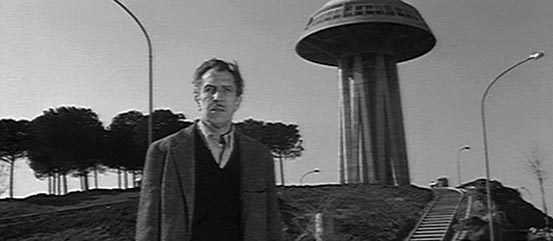
Based on Richard Matheson’s "I am Legend" and later remade as "The Omega Man" starring Charlton Heston, The Last Man on Earth stars Vincent Price as Robert Morgan, a scientist who had been working on a cure for a vicious plague that eventually consumed the planet. The plague does not kill you; it just turns you into a vampire zombie. As the film begins with the above quote, we follow Robert three years after the plague hit as he goes through his daily machinations in this post-apocalyptic world. His days mostly consist of hunting down the vampire zombies, staking them, and throwing them into a giant burning cremation pit. In addition, we watch him hang garlic and mirrors on his doors as part of his anti-vampire defense. At night he sits in his barricaded fortress listening to jazz records on full blast in an effort to drown out the sounds of the undead banging on his walls and shrieking. As Robert narrates all this we can hear how weary he is of this bleak existence. This is a man who survives because of animal instinct not because he wishes to be here. Periodically we are shown flashbacks of Robert’s life before the plague took over. We see the tragedy unfold as first his daughter, and later his wife, begins to show signs of the disease. These flashbacks are powerful and add pathos to Morgan’s character. One day Robert stumbles across a woman wandering the streets. Is he truly the last man on Earth or have others been spared as well?

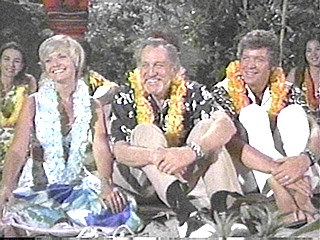
The Last Man on Earth is a terrific film and undoubtedly inspired Romero’s Night of the Living Dead. For a film made in 1964, this is violent, gritty, bleak stuff. I must admit that my first exposure to Vincent Price was The Brady Bunch, which, I thought, forever ruined him for me as a horror figure.

However, The Last Man on Earth changed my opinion. Price is terrific as the world-weary vampire hunter. His narration, which was silly on the Brady Bunch, is chilling here. He speaks a-matter-of-factly, without emotion. He understands his plight and he accepts it. He’s not afraid anymore nor is he really bothered by anything; he’s just trying to make it through another day. The vampire zombies are disturbing and some of them even call out his name. The ending of this film is perfect. Hooray for Horrorthon!

Salem's Lot 1979 and Salem's Lot 2024

Happy Halloween everybody! Julie's working late and the boy doesn't have school tomorrow so he's heading to one of those crazy f...